 Brandon Karpf
Rethinking Navy Manpower In Light of the COVID-19 Response (Source: USNI Blog)
Published on
1-minute read · 84 words
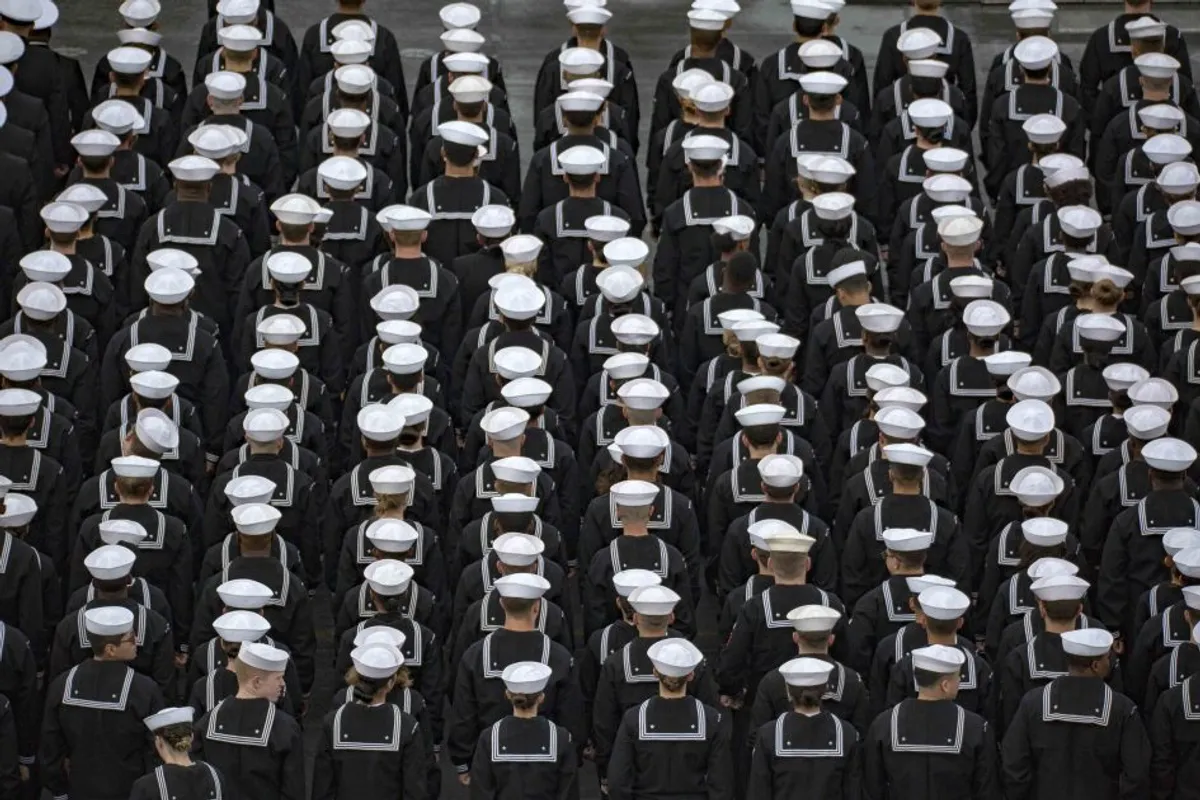
Brandon used the Navy’s COVID-19 posture as a live-fire experiment to show which manning, training, and equipping processes are truly essential—and which ones hemorrhage cyber talent.
Key topics
- Pandemic-driven watch rotations and deployment pauses revealed bureaucratic steps that add delay without improving readiness.
- The article called for leaner accession and training pipelines so cryptologic warfare officers aren’t sidelined when cyber billets open.
- Brandon argued for data-driven force design that protects health, preserves operational tempo, and keeps cyber specialists in their lanes.
More writing
Related writing
Three pieces tagged the same.

1-minute read
A free speech showdown. (Source: The CyberWire Daily Podcast)
Brandon discussing his experience with fake North Korean IT job applicants.
1-minute read
House Armed Services Committee concerned with state of Navy cyber readiness (Source: FedScoop)
Brandon was quoted in FedScoop’s coverage of House lawmakers forcing the Navy to stand up a dedicated cyber warfare designator after years of warnings that cryptologic structures weren’t delivering ready teams.
1-minute read
Train Navy Officers for Cyber Lethality (Source: USNI Proceedings)
Brandon’s USNI Proceedings article calls out the Navy’s lack of a tactical cyber career path and lays out a six-month training pipeline that would keep cryptologic warfare officers lethal.