 Brandon Karpf
The basics broke telecom. (Source: The CyberWire Daily Podcast)
Published on
1-minute read · 153 words

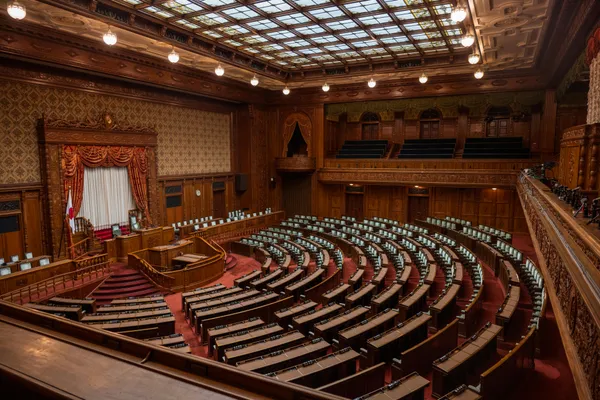
On The CyberWire Daily Podcast, I joined Dave Bittner and Maria Varmazis to unpack the rush toward digital sovereignty in space and cyber. I laid out how Japan and Taiwan are pushing for sovereign cloud architectures that keep data inside national borders, and why that strains U.S. cloud providers that cannot localize at the same depth today.
We traced the tradeoffs, including massive capital expenditure for data centers, the erosion of U.S. standard-setting leverage, and the upside for countries that want their privacy regimes to govern their data. I also previewed my RSA 2026 learning lab on first-principles risk forecasting and the limited seats for that session.
Key topics
- Sovereign Cloud Economics: Localization demands new infrastructure spending and reshapes cloud competition.
- Regulatory Gravity: National privacy laws gain force when data stays within geographic borders.
- Strategic Spillover: Shifts in sovereignty ripple from space policy into cyber supply chains and market access.
More writing
Related writing
Three pieces tagged the same.

12-minute read
The National Reflex
The internet has no borders. Our defense of it has nothing but.
1-minute read
GPS has no backup, and the jamming just moved to orbit. (Source: T-Minus Space-Cyber Briefing)
Brandon joins T-Minus to break down new evidence that GPS jamming has moved from cheap ground devices into space, and to argue that position, navigation, and timing is critical infrastructure with no resilient fallback.
11-minute read
Which One Is Right?
Part 3 of 3. Nine states on the board, seven trades, and the two clean-looking calls fall apart. Tokyo is choosing this quarter.